Hidden fees to avoid for rubbish collection in Swiss Cottage
Posted on 12/08/2026
If you're arranging rubbish collection in Swiss Cottage, the headline price is only half the story. The real pain usually shows up later: a small-sounding surcharge here, a vague "access issue" fee there, and suddenly the job costs far more than you expected. Hidden fees to avoid for rubbish collection in Swiss Cottage is not just a budgeting topic; it's a way to protect yourself from poor quoting, rushed decisions, and the sort of checkout surprise nobody enjoys on a busy Monday morning.
In this guide, we'll break down the most common extra charges, explain how rubbish collection pricing usually works, and show you exactly what to ask before booking. You'll also find a simple checklist, a comparison table, and a realistic example from an everyday local clearance job. Let's make the whole process calmer, clearer, and a lot less expensive.
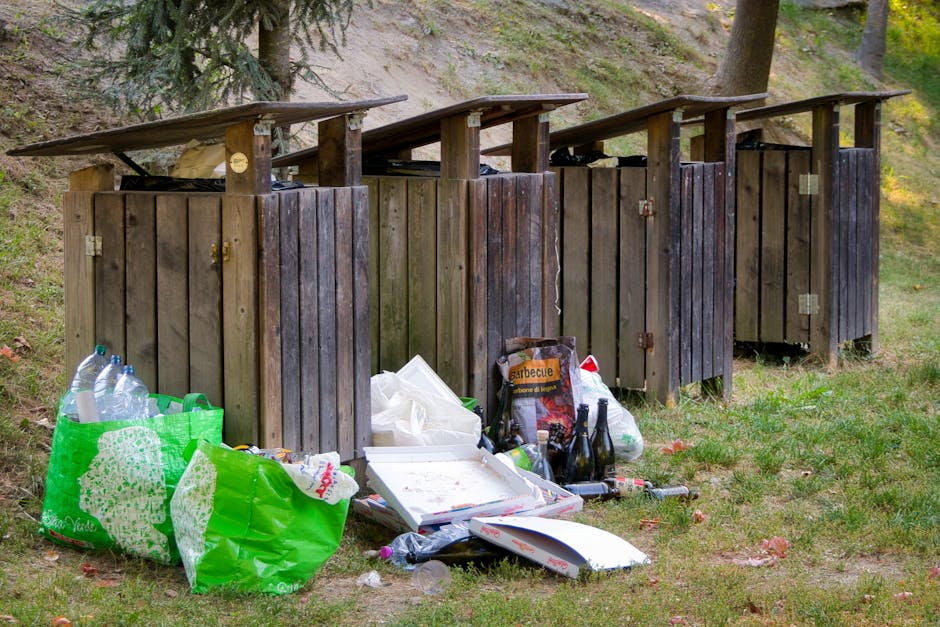
Why Hidden fees to avoid for rubbish collection in Swiss Cottage Matters
Rubbish collection can look simple from the outside. You have waste, you need it gone, and you want a fair price. But in practice, the final bill can shift depending on load size, item type, access, labour, time on site, disposal category, and whether the provider has explained everything properly. That's where hidden fees creep in.
Swiss Cottage is a busy part of north-west London, with a mix of flats, terraces, managed buildings, refurbishments, and commercial premises. That mix matters. A ground-floor flat with straightforward access is a very different job from a top-floor conversion with a narrow stairwell, no lift, and parking that needs planning. If a provider hasn't seen the site or asked enough questions, the quote may look good at first and then become a bit messy later. Truth be told, that's when people feel trapped.
Hidden charges matter for three big reasons:
- They distort the real cost. A cheap initial quote may end up more expensive than a transparent one.
- They create stress. Nobody wants an awkward conversation at the kerbside about extra labour or waiting time.
- They can signal weak service. A company that hides fees may also be vague about waste handling, insurance, or disposal standards.
That's why many people start by reading the provider's pricing and quotes information and then checking how the wider service works through the services overview. It's a sensible habit. A quote should feel understandable, not like a puzzle.
How Hidden fees to avoid for rubbish collection in Swiss Cottage Works
Most rubbish collection pricing is built around a few core factors: volume, weight, labour, access, and disposal type. Some providers use cubic yardage or load fractions; others quote by item, especially for furniture or appliances. The problem starts when those basics are not explained clearly enough.
Here's the usual pattern. A customer describes the waste over the phone or online. The provider gives a starting estimate. Then, on arrival, they discover the pile is larger, heavier, further from the vehicle, or more awkward to remove than expected. If the original quote did not include enough detail, the price may rise. Sometimes that increase is fair. Sometimes it is not. The difference is transparency.
Common hidden-fee triggers include:
- extra bags or items not mentioned in the original quote
- heavy lifting beyond normal assumptions
- stairs, no lift, or long carries from the property to the vehicle
- parking or waiting issues that extend the job
- special handling for fridges, mattresses, or electrical appliances
- separate charges for mixed waste, builders' debris, or restricted items
- weekend, evening, or urgent booking premiums
Good providers tend to explain these things in advance and put them in the quote. Better still, they'll ask the right questions before attending. If they don't ask about access, item count, and waste type, that's a small warning bell. Not an alarm, just a bell.
For example, if you are disposing of an old sofa and a few boxes, the job may be straightforward. But if that sofa is in a third-floor flat and the boxes contain rubble or mixed renovation waste, the cost structure shifts. The collection itself may still be perfectly reasonable; the surprise comes only when the quote was too loose in the first place.
Key Benefits and Practical Advantages
Understanding hidden fees is not only about avoiding bad operators. It also helps you book smarter and get better value from legitimate services. In our experience, people who ask a few clear questions before booking usually end up happier with the result, even if the final price is not the very cheapest on the page.
The main advantages are fairly practical:
- Better budgeting: you know what the job should cost before the van arrives.
- Faster decisions: you can compare providers on like-for-like terms.
- Less friction on the day: the collection feels organised, not improvised.
- Lower risk of disputes: clear expectations reduce awkward price changes.
- More confidence in compliance: a transparent operator is often easier to trust on licensing and disposal.
There's also a sustainability angle. A provider that is clear about what can be recycled, what needs specialist handling, and what will incur extra processing charges is often one that takes waste management seriously. If that matters to you, have a look at the company's approach to recycling and sustainability before you book. It gives you a better feel for how waste may be sorted rather than simply dumped.
And if you're comparing a few quotes side by side, don't just scan the bottom line. Compare the assumptions. A slightly higher quote with no surprises can be better value than a low teaser price that grows legs later. Sounds obvious, but people still get caught out. Often.
Who This Is For and When It Makes Sense
This matters for anyone arranging waste removal in Swiss Cottage, but some people feel the pinch more than others. If you are in one of these situations, hidden fees deserve extra attention.
- Homeowners and tenants clearing out old furniture, loft clutter, or end-of-tenancy rubbish.
- Landlords and letting agents needing quick turnaround between occupiers.
- People moving home and trying to empty a property without overpaying.
- Builders and renovators dealing with rubble, timber, plasterboard, and mixed site waste.
- Small businesses disposing of office furniture, packaging, or refurbishment waste.
- Anyone handling bulky items such as wardrobes, white goods, or heavy garden waste.
It also makes sense if you've had a bad experience before. Maybe a previous provider quoted for "a few bags" and then charged extra because one bag was heavier than expected. Or maybe the crew turned up, saw a staircase, and treated it like a surprise twist in a detective story. That sort of thing sticks with people.
If you are dealing with a one-off house clearance, the advice becomes even more important. A job like that can include furniture, mixed household waste, electrical items, and awkward access all in one go. In those cases, check whether the provider has relevant experience with house clearance in Swiss Cottage rather than assuming every rubbish collection is priced the same way.
Step-by-Step Guidance
If you want to avoid hidden fees, the best defence is a structured booking process. No drama. Just a few sensible steps.
- List everything that needs removing. Be specific. "A few bits" is too vague. Count bags, note bulky items, and mention any heavy or awkward pieces.
- Describe access honestly. Stairs, lifts, narrow hallways, permit-only roads, and limited parking all matter. A provider can only quote properly if they know the reality.
- Ask what the quote includes. Labour, loading, disposal, VAT if applicable, and any minimum charges should be clear before you book.
- Ask what is excluded. This is the big one. If a quote does not state exclusions, you may be paying for the surprise later.
- Confirm special-item pricing. Fridges, mattresses, TVs, and builders' debris can be priced differently. Do not assume.
- Request a final price rule. Ask what would have to change before the price changes. That question alone saves a lot of hassle.
- Check the company's credentials. A legitimate waste carrier should be able to show compliance details. You can also review the company's waste carrier licence and compliance information.
- Review payment terms. Make sure you know when payment is due and which methods are accepted. The payment and security page is a useful place to sanity-check this.
- Keep the booking summary. A written confirmation helps if anything is disputed later.
A tiny practical tip: take a couple of photos before collection. They can be useful if the company later says the job was materially larger than described. It's not about being suspicious. It's just tidy.
Expert Tips for Better Results
There's a difference between avoiding hidden fees and getting genuinely good value. The first is defensive; the second is strategic. Ideally you want both.
Tip 1: Be precise about waste type. Mixed waste is often more complicated than clean, sorted waste. Builders' rubble, garden cuttings, timber, and household junk can all follow different disposal pathways. If you're arranging refurbishment clearance, it can help to look at the provider's builders waste removal in Swiss Cottage page for clues about what they treat as standard.
Tip 2: Separate the easy stuff first. If possible, move standard bags away from specialist items. That makes the job simpler and can reduce the chance of a "mixed load" uplift. Small effort, decent payoff.
Tip 3: Ask whether itemised pricing is available. For furniture, white goods, or a single bulky item, itemised pricing can be clearer than load-based pricing. For example, a settee removal may be better compared through furniture removal in Swiss Cottage rather than a generic rubbish service.
Tip 4: Check weekend and same-day rates. Urgency is convenient, but it can alter the quote. If you need a same-day slot because the property is being handed over that afternoon, make sure the premium is stated clearly.
Tip 5: Read the terms before you need them. Nobody enjoys reading terms and conditions, granted, but the habit pays off when something unusual happens on site. You can scan the company's terms and conditions and, if you want extra reassurance, the insurance and safety information too.
Tip 6: Look for consistency across pages. If the website says one thing on pricing and another on service details, slow down. A good operator should sound consistent from quote to policy. That's basic trust-building, really.
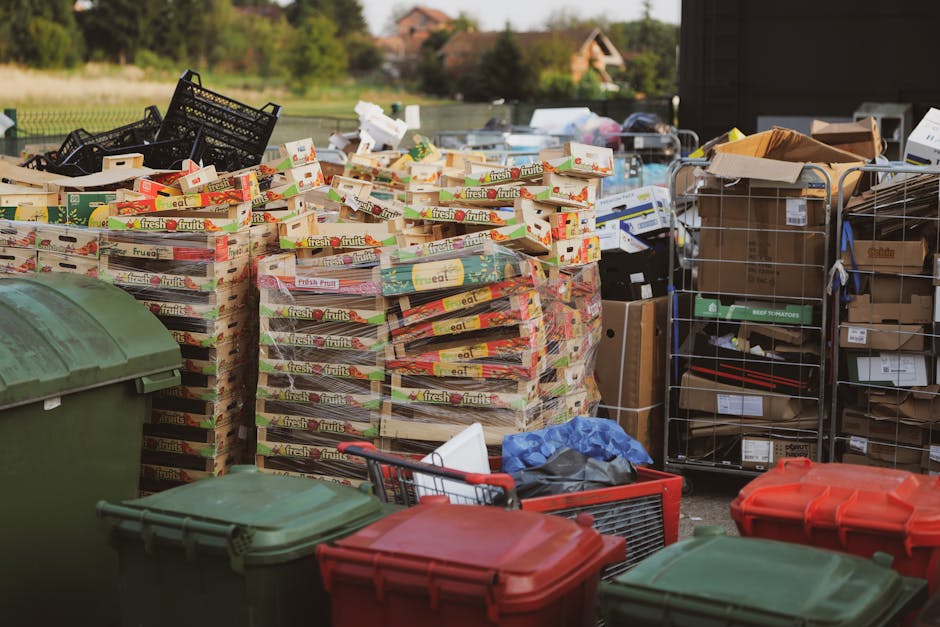
Common Mistakes to Avoid
Most hidden-fee problems start with one of a handful of mistakes. The good news is that they're easy to avoid once you know the pattern.
- Booking from the cheapest headline price alone. The lowest number is not always the lowest final cost.
- Under-describing the job. "A couple of items" can mean very different things to different people.
- Forgetting access issues. In Swiss Cottage, access and parking can influence how long a job takes. That matters.
- Ignoring special disposal categories. White goods, mattresses, and some electrical items often need separate handling.
- Not asking about waiting time. If the crew has to wait for keys, lift access, or building approval, extra charges may apply.
- Assuming VAT is included. Always check whether the quote is inclusive or exclusive.
- Not getting the price in writing. Verbal quotes are much harder to rely on if the final invoice changes.
One of the sneakiest mistakes is assuming every rubbish collection company works the same way. They don't. Some are very clear and fixed-price. Others are flexible but need more detail. Neither is automatically wrong, but you need to know which you're dealing with. Otherwise, well, it's a bit of a faff later.
Tools, Resources and Recommendations
You do not need fancy tools to avoid hidden fees, just a simple process and a few documents or notes. Here's what helps most in the real world.
- Photo checklist: take clear pictures of the waste from a couple of angles.
- Room-by-room list: especially useful for larger clearances or house moves.
- Measured access note: jot down stair counts, lift size, and any narrow points.
- Item count: number bags, boxes, and bulky pieces separately.
- Payment notes: record deposit, balance, and whether card or transfer is preferred.
- Quote comparison sheet: compare inclusion, exclusions, and surcharges rather than only price.
For service planning, the most useful pages on the site are often the ones that explain the wider offer rather than just one removal type. The domestic waste collection in Swiss Cottage page can help with everyday household jobs, while commercial waste removal in Swiss Cottage is better if the waste comes from an office, shop, or workplace setting.
If your job is seasonal or tied to outdoor work, you may also want to think about how load size changes after pruning, clearing borders, or cutting back hedges. That's where garden waste removal in Swiss Cottage can be more relevant than a general collection page. The category matters more than people sometimes think.
And if you want some broader context about the local area and how people use it, these reads can help: an insider's perspective on Swiss Cottage and whether Swiss Cottage is a great place to live. They are not fee guides, but they do help frame the local setting.
Law, Compliance, Standards, or Best Practice
For rubbish collection, compliance is not just a box-ticking exercise. It affects whether your waste is handled responsibly and whether the provider is a sensible company to work with in the first place.
In the UK, waste carriers should operate within the relevant rules and handle waste lawfully. You do not need to become an expert in waste regulation to book a collection, but you should expect the provider to be able to explain their status clearly. If a company is evasive about licensing, disposal routes, or insurance, that is a problem. No need to overthink it.
Best practice usually means:
- clear written quotes
- honest descriptions of access and waste type
- transparent inclusion of labour and disposal
- reasonable handling of special items
- proper payment terms
- evidence of lawful waste handling and safety awareness
If a business claims to be fully transparent, its public pages should support that. Useful trust signals include a detailed about us page, security information, and a visible focus on safety. For readers who care about responsible business practices more broadly, the site also publishes a modern slavery statement and related policy pages such as the privacy policy and cookie policy.
One more practical note: if a clearance involves damaged appliances or older units, check how the company handles white goods. Specialist removal can be more complex than a general rubbish pickup, and the page on white goods and appliance disposal in Swiss Cottage is worth reviewing before you assume it will be priced like a standard bag collection.
Options, Methods, or Comparison Table
Different collection methods suit different jobs. The cheapest option is not always the most practical one, especially if your waste is bulky or awkward. Here's a straightforward comparison to help you think it through.
| Method | Best for | Hidden-fee risk | What to check first |
|---|---|---|---|
| General rubbish collection | Mixed household waste, bags, small clearances | Medium | Access, volume, included labour |
| Bulky item removal | Sofas, wardrobes, mattresses, appliances | Medium to high | Item count, weight, stair carry |
| Builders waste collection | Renovation debris and site waste | High | Waste type, heavy materials, loading time |
| House clearance | Full or partial property clearances | High | Room count, access, sorting expectations |
| Scheduled commercial removal | Offices, shops, repeated business waste | Medium | Collection frequency, contract terms, container size |
If you are deciding between methods, the key question is simple: is your waste mainly bulky, mainly mixed, or mainly repetitive? That answer usually points you toward the right service and lowers the chance of add-on charges.
Case Study or Real-World Example
Here's a realistic example. A resident in Swiss Cottage needs to clear out a flat before a tenancy change. The job includes eight bin bags, one broken chest of drawers, a small desk, an old microwave, and some packaging from a recent move. The flat is on the second floor with no lift, and the property sits on a road where parking can be tight around school run time.
At first glance, the job sounds small. But the risk of hidden fees sits in the details. If the resident simply says "a bit of rubbish," the provider might quote too low. Then, on arrival, the crew discovers the stair carry, the extra appliance, and the need to wait for access while someone brings keys down. That is exactly the moment when price misunderstandings happen.
A better approach would be:
- send clear photos of the items
- state the floor level and lift availability
- identify the microwave as an appliance
- confirm whether labour is included for stairs
- ask if the quote is fixed once the details are accepted
In a case like this, the final cost may still be perfectly fair. The point is that there should be no surprise. That little difference changes the whole experience. You go from "why is this more expensive?" to "fair enough, that was explained." Much better.
Practical Checklist
Use this checklist before you book rubbish collection in Swiss Cottage. It's simple, but it catches most of the avoidable problems.
- Have I listed every item or bag clearly?
- Have I explained access issues, stairs, and parking?
- Have I asked whether labour is included?
- Have I checked for extra charges on heavy or bulky items?
- Have I asked about same-day, evening, or weekend surcharges?
- Have I confirmed whether VAT is included?
- Have I checked how appliances, mattresses, or builders' waste are priced?
- Have I reviewed the company's terms and payment information?
- Have I asked for the quote in writing?
- Do I understand what would change the final price?
Expert takeaway: the safest quote is not always the cheapest one. It is the one that explains the job properly, includes the right assumptions, and leaves no room for surprise charges later.
Get a free quote today and see how much you can save.
Conclusion
Hidden fees to avoid for rubbish collection in Swiss Cottage comes down to one principle: clarity protects your budget. When you describe the waste properly, ask about access, confirm exclusions, and check the terms before booking, you dramatically reduce the risk of awkward extras later.
That doesn't mean chasing the lowest headline price. It means choosing a provider that prices honestly and explains the job in plain English. In a busy area like Swiss Cottage, where access, building layouts, and mixed waste types can all affect the collection, a transparent quote is worth a lot more than a cheap one that needs constant decoding.
If you remember only one thing, make it this: ask the awkward questions before the van arrives. It saves money, saves time, and makes the whole process feel much more manageable. And honestly, that is a relief.