







19/10/2026
If you need rubbish gone quickly in Swiss Cottage, you are usually after two things at once: a...
Rubbish Clearance Swiss Cottage provides a practical rubbish clearance service in Swiss Cottage for homes, flats, landlords and local businesses that need unwanted items removed in a tidy, straightforward way. The main service covers everyday household waste, bulky furniture, garden materials, builders’ debris and mixed clearances, with the work shaped around the type and volume of items rather than a one-size-fits-all visit. When the load is varied, awkward or time-sensitive, a planned clearance is often the simplest way to restore usable space.
Our service is designed for customers who want one team to handle collection, lifting and disposal with as little disruption as possible. That can include single-item removals, part-load clearances or larger mixed jobs where items have to be sorted before they leave the property. If you are comparing options, start with the services overview to see how the main clearance categories fit together, then decide which type of waste needs attention first. A clear description of the items usually helps the process stay simple.
For a quotation, describe what needs removing and the access involved, and we can then discuss the most suitable clearance option. If you are ready to move ahead, the easiest next step is to request a quote and share the basic details of the job. Keep the job focused, and the arrangement is usually easier to plan.
Domestic clearance work often combines everyday rubbish with items that have built up over time, so the service needs to be flexible enough to deal with mixed waste safely. That may include bagged rubbish, old household contents, bric-a-brac, boxed items, awkward clutter and heavier objects that are difficult to move without the right handling. Where items need separating, we aim to keep reusable or recyclable materials apart from general waste so the clearance is not treated as a simple load-and-go job.
In flats and smaller homes, access can matter as much as the volume of items, especially where stairways, narrow hallways or shared entrances are involved. A well-planned domestic clearance should account for lift access, parking limitations and the sequence in which items can be removed without causing unnecessary disruption. If you want to compare household options before deciding, the domestic waste collection page is a useful place to start, especially for regular or mixed household loads. Good planning keeps the job efficient and the property easier to hand back in order.
Swiss Cottage is a district in north-west London, centred on the junction where Finchley Road meets Avenue Road and Adelaide Road, with the area broadly associated with Camden. The name is closely linked to the early nineteenth-century Swiss Cottage inn, which gave the district its identity long before the surrounding streets became a busy urban neighbourhood. The area sits within a highly connected part of London, with Swiss Cottage Underground station on the Jubilee line acting as a key local landmark and transport point. Around it, the street pattern mixes major routes, residential terraces and later developments, giving the district a layered architectural character rather than a single uniform style. The immediate vicinity includes a concentration of shops, offices and leisure buildings along Finchley Road, while quieter residential streets extend to the west and north. One of the most recognisable nearby open spaces is Primrose Hill, while Regent’s Park lies further south-west, adding broader green space to the local setting. The area is also known for the arts and performance life around the Hampstead Theatre and other cultural venues nearby, which contribute to the district’s role as more than just a traffic junction. Over time, Swiss Cottage has developed from a named crossroads into a busy London locality with transport, housing and commercial activity tightly interwoven, making it distinct in feel from neighbouring Hampstead and St John’s Wood.
Furniture removal is often the most practical part of a clearance because large items are awkward to dismantle, move and transport without the right equipment and lifting technique. Sofas, wardrobes, tables, beds, chairs and shelving all need slightly different handling, particularly where stairwells or tight corners create extra difficulty. A sensible furniture removal service will treat each item as a separate task rather than assuming that everything can be carried out in one simple motion.
Some customers only need one bulky item taken away, while others have several pieces being replaced during a refit or end-of-tenancy clear-out. In those cases, the work can be grouped so that the main items leave together and the remaining space is left ready for the next stage of decorating, moving or reusing the room. If you are planning a larger item removal, the furniture removal page explains the core service area in more detail. We also handle disposal of white goods where a mixed clearance includes appliances as well as furniture, which is often simpler than organising separate collections.
When you are sorting through bulky items, it helps to decide what stays, what goes and whether any pieces need dismantling before collection. That short list can make the job much easier to organise, especially if several rooms are involved. For appliance-specific jobs, the white goods and appliance disposal page is the most relevant next step, and it is worth using when fridges, washing machines or cookers form part of the clearance. It is usually best to group similar items together before the collection is arranged.
Garden waste removal covers the material that builds up after cutting back, clearing borders or tidying outdoor storage areas, and it can include green waste as well as mixed outdoor rubbish. Branches, hedge cuttings, turf, leaves, bagged soil and broken garden items all need to be separated from general household waste where possible, because the contents of the load influence how it should be handled. Where outdoor areas include broken planters, old fencing, rusted metal or weathered wood, the job may become a mixed waste collection rather than a simple green-waste pick-up.
Outdoor clearances are often easiest when the work is broken into a clear sequence: cut back, gather, stack, then remove. That approach helps with gardens, yards, terraces and shared external spaces where items may be scattered rather than stored in one place. If the waste comes from a pruning or tidy-up job, the garden waste removal page is the most direct service match. For wider waste needs, the waste carrier licence and compliance page is useful because it sits alongside the company’s disposal responsibilities and compliance information.
Before a garden clearance, it is sensible to identify whether the waste is mainly green material or whether there are also bags, broken fittings or heavy outdoor items to remove. That distinction can affect how much sorting is needed once the collection starts. If you are comparing broader service information before booking, the recycling and sustainability page gives a useful indication of how recoverable material is treated within the business. Clear separation at the start often makes the whole outdoor clearance more manageable.
Builders’ waste removal is designed for renovation debris, fit-out leftovers and small construction clear-ups where the material is too much for ordinary household disposal. This can include rubble, broken plasterboard, offcuts, timber, packaging, old fixtures and other waste generated by decorating or light building work. The key difference from standard rubbish is that construction-related waste is usually heavier, more mixed and more likely to include dust, sharp edges or awkward material that needs careful loading.
On active sites, the clearance often needs to work around other trades, so timing and access become especially important. A useful service will account for where waste is stacked, whether items are loose or bagged, and whether the collection has to happen in stages as the project progresses. If your job involves renovation debris, the builders’ waste removal page is the best fit. For broader service context, you can also review the pricing and quotes page, which explains the factors that typically influence a clearance quotation.
When builders’ waste is mixed with household items or business rubbish, it is worth describing the full load rather than focusing only on the most obvious debris. That gives a more accurate picture of lifting effort, sorting needs and collection size. If you are working through the practical details, gather the rough volume, the access route and the type of materials involved, then ask for a quotation once the scope is clear. A concise job description usually saves time later.
Commercial waste removal is suited to shops, offices, studios, managed properties and other premises that generate routine or occasional waste beyond normal domestic levels. Workplaces often need a service that can remove packaging, office furniture, shelving, stock-related waste and general rubbish in a way that fits business hours and building access rules. The practical aim is to clear the site without disrupting day-to-day operations more than necessary.
Commercial clearances can involve more than one category of waste, particularly where a business is closing, reorganising or replacing equipment. In those situations, the most useful approach is to identify what needs to go first and whether any items must be dismantled, stacked or kept separate before collection. If your requirement is business-related, the commercial waste removal page covers that service directly. It can also be helpful to review the payment and security page if you want a clearer idea of how the business handles transactions in a straightforward way.
For office and premises clearances, simple preparation is often enough to keep the work organised: identify the rooms involved, note any items that require careful removal and decide whether the clearance is a one-off or part of a staged move. Businesses usually benefit from a brief written list rather than a long explanation, because it makes the first conversation easier to follow. If you need to speak through the job, the contact us page is the natural route for sending the first enquiry. Once the scope is clear, the next step is usually easy to agree.
House clearance work tends to be broader than standard rubbish removal because it can involve multiple rooms, mixed contents and different categories of waste in one job. That may include furniture, general household items, boxes, unwanted possessions, old appliances and assorted clutter that has accumulated in storage areas. A good clearance approach avoids forcing everything into a single category and instead treats the property as a series of spaces that can each be cleared methodically.
Where a property is being prepared for sale, let or renovation, the aim is usually to leave it clear enough for the next stage without creating extra sorting work after the collection. That can mean removing bulky items first, then working through smaller contents and waste that remain in cupboards, lofts or sheds. If the job is primarily residential and more comprehensive than a simple collection, the house clearance page is the closest match. For general company information, the about us page gives a broader overview of the business rather than the individual service categories.
A useful way to plan this type of job is to decide which rooms are included, whether anything is staying on site and whether there are fragile or heavy items that need special handling. Those basic decisions can shape the collection size and the order of work, especially when storage spaces or outbuildings are part of the clearance. If you are comparing several service types at once, it is sensible to start with the main list of items and then ask for the most appropriate quotation. Clear rooms and clear instructions usually go together.
Clearance pricing is usually influenced by the volume of waste, the type of material, the time needed for loading and the ease of access to the property. A bulky but straightforward job may be simpler than a smaller job with awkward access, heavy items or a need to sort mixed materials. Rather than treating every collection as the same, a quotation should reflect the actual work involved so that the arrangement matches the job more closely.
Useful information for a quote normally includes what needs removing, where the items are located and whether anything has to be dismantled or carried through tight access points. If you already know the main items, a short message is often enough to begin the process, and photos can help when the load is mixed or difficult to describe clearly. For a fuller explanation of pricing factors, the pricing and quotes page is the best place to look. If you want to understand how the business treats safety and handling, the insurance and safety page is also relevant.
Before requesting a quotation, it helps to group similar items, note any hazards or unusually heavy objects and check whether parking or access restrictions could affect the collection. That keeps the conversation focused on the actual work rather than on guesswork. If you are ready to go ahead, send the details now and ask for a quotation. Simple, accurate information is usually the quickest way to get the right response.
Waste removal is not only about lifting items away; it also depends on how the material is handled, transported and documented where relevant. Customers often want reassurance that the business approach is organised, safe and compliant, especially when the job includes mixed waste, appliances or material from commercial premises. That is why service standards matter as much as the physical collection itself, particularly when the property owner needs to know the job is being dealt with properly.
The compliance-related pages on the site give more detail about the company’s responsibilities and supporting information, and they are useful if you want to understand the framework behind the clearance service. The insurance and safety page focuses on working practices, while the waste carrier licence and compliance page covers the regulatory side. For broader company background, the about us page remains the best general overview. Customers comparing providers often find these pages helpful before making a decision.
Where the job is straightforward, these supporting details may not need much discussion, but they become more relevant when a clearance involves several waste types or business premises. The aim is to keep the process transparent without making the customer work through unnecessary complexity. If you need a practical next step, use the enquiry route and ask for a quotation based on the items and access described. That keeps the focus on the job, not the paperwork.
If you need rubbish clearance in Swiss Cottage for household waste, bulky furniture, garden debris, builders’ materials or mixed commercial items, the simplest route is to send through the main job details and ask for a quotation. The service is built around practical collection work, so the most useful enquiry is usually the one that says what needs removing, where it is located and whether there are any access considerations. That gives the team enough information to respond in a way that matches the actual clearance.
You can also use the site pages to narrow down the most relevant service before you enquire: domestic waste collection for household jobs, furniture removal for bulky items, builders’ waste removal for renovation debris and commercial waste removal for business clearances. If you want the direct contact route, the final step is to use the contact us page and request a quotation for your clearance in Swiss Cottage. Send the details when you are ready, and the next step can be arranged from there.
Whether the job is a single item, a room clear-out or a mixed load with several waste types, it is usually best to keep the description clear and concise. That makes it easier to identify the right service and avoids unnecessary back-and-forth. If you are ready to proceed, ask for a quotation today and outline the items, access and preferred timing in one short message. A focused enquiry is often the quickest way to get started.
Rubbish Clearance Swiss Cottage for domestic, furniture, garden, builders’ and commercial waste removal. Request a quotation for a clear, tidy service in Swiss Cottage.
If you need rubbish gone quickly in Swiss Cottage, you are usually after two things at once: a...
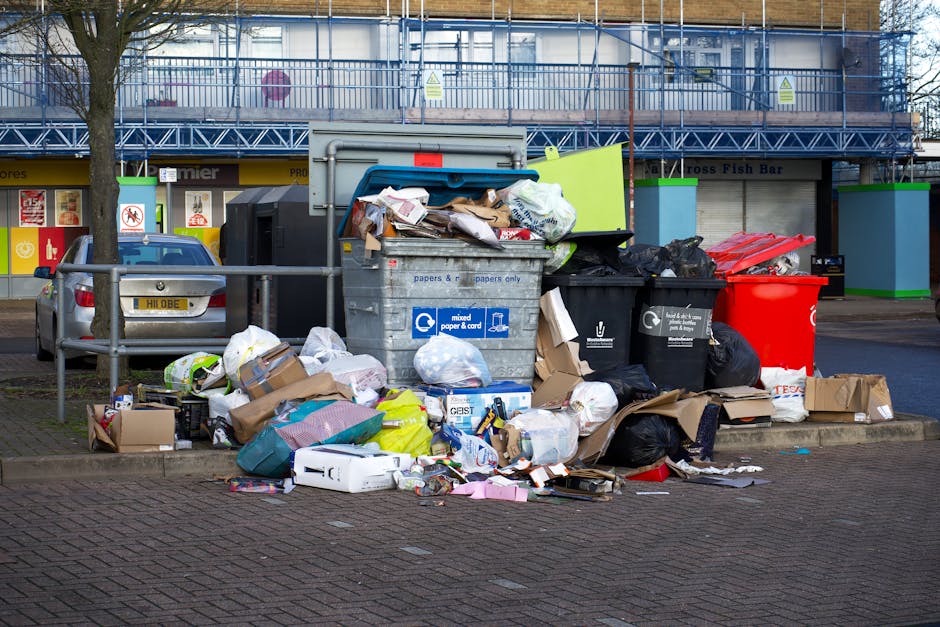
If you are trying to clear a sofa, mattress, broken appliance, or a pile of mixed household...
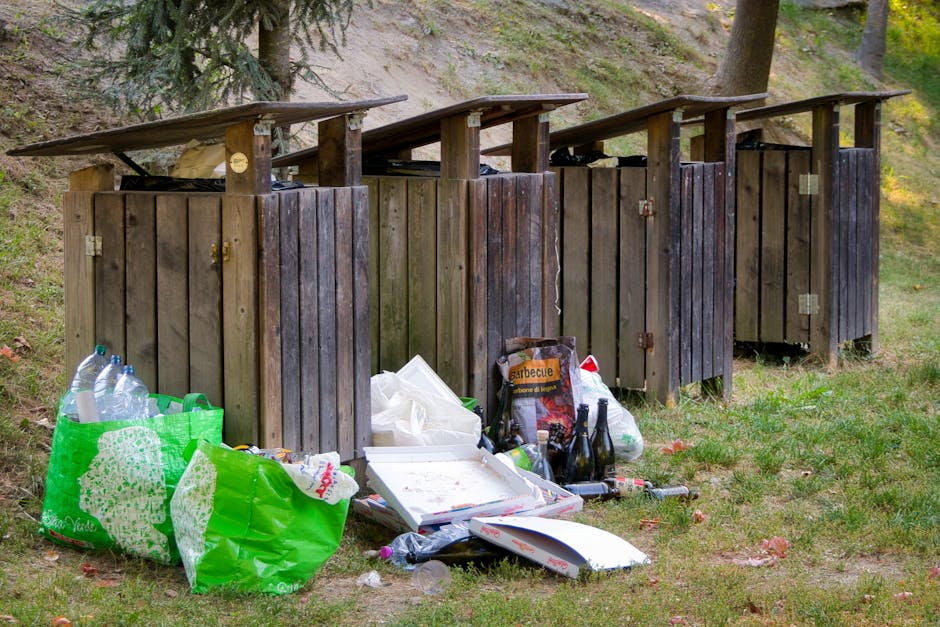
If you're arranging rubbish collection in Swiss Cottage, the headline price is only half the story.

Nestled in the heart of North-West London, Swiss Cottage is a charming and vibrant neighborhood...

Swiss Cottage, a charming district located in North West London, has become a hotspot for real...

Introduction Waste removal companies are vital in helping to keep our environment clean and...

Discovering the ideal place to live can be a daunting task. One location that frequently finds...

Nestled in the heart of North London, Swiss Cottage is a vibrant hub for nightlife enthusiasts....

 (84)
(84)
Please fill out the form below to send us an email and we will get back to you as soon as possible.